June 12, 2026
A home provides security, stability, and comfort, acting as the primary sanctuary for family life. Maintaining this physical shield requires careful oversight of the various exterior materials that prevent structural damage from weather extremes. Among these exterior elements, the overhead structural covering is arguably the most critical component defending against environmental hazards. When standard wear, structural aging, or sudden storm damage compromises this shield, property owners face a complex dilemma. Determining whether to patch minor issues or undertake a complete structural overhaul involves balancing long-term protection against immediate budgets. Collaborating with certified roofing contractors allows families to gain clarity regarding the true state of their exterior barriers, transforming guesswork into a strategic maintenance plan. Making an informed decision prevents minor vulnerabilities from compounding into catastrophic foundational issues over time. Homeowners must understand the clear indicators that separate a simple remediation project from a necessary, full-scale structural replacement to preserve property value.
Identifying Surface Damage
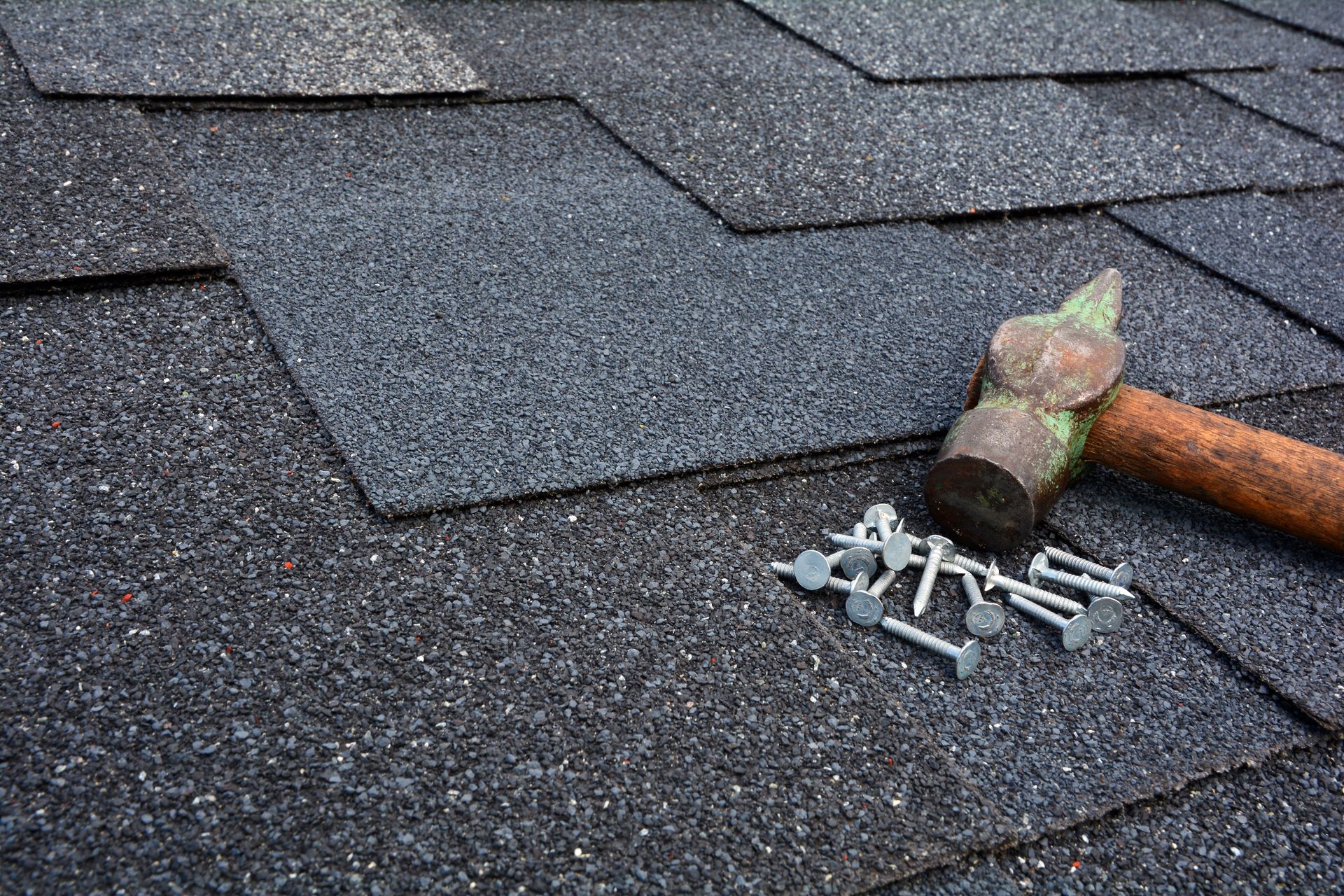
Recognizing the early indicators of exterior deterioration prevents minor leaks from escalating into systemic complications throughout the entire residential layout. Homeowners should regularly scan the top surface for misplaced, curling, or split shingles that expose the underlying underlayment to atmospheric elements. Strong seasonal winds and falling debris can strip away the protective granules coating the materials, leaving them vulnerable to accelerated solar degradation and cracking. When weather events dislodge individual components, moisture can easily bypass the initial layer and pool against the wooden deck, accelerating wood rot. Identifying these external flaws allows residents to gauge the scope of standard wear before consulting local experts for guidance. Spotting subtle surface anomalies before moisture invades the interior living space remains the most effective way to manage ongoing property upkeep. Meticulous observation ensures that property owners can request targeted repairs before the overall structure suffers irreversible deterioration. Furthermore, establishing a detailed visual log of these exterior adjustments provides clarity if severe weather impacts the community later in the seasonal cycle.
Assessing Moisture Infiltration
Tracing water pathways within the attic or upper living spaces confirms when structural boundaries have been breached by environmental elements. Water stains expanding across ceilings, damp insulation batches, and peeling wallpaper indicate a long-standing structural vulnerability overhead that requires immediate attention. Once liquid penetrates the primary barrier, mold growth can develop rapidly, threatening internal air quality and weakening critical structural supports. Property owners should inspect structural beams for discoloration, dampness, or soft spots during or immediately after severe downpours. When internal evidence points to severe leaking, consulting professional roofing contractors becomes necessary to prevent wood rot from spreading through the ceiling joists. Understanding the exact source of water ingress helps determine whether the failure is localized or widespread across the layout. Persistent, multi-layered leaks usually signal that the entire protective barrier has exceeded its useful lifespan and can no longer shield the property securely against upcoming seasonal weather.
Counting Previous Repairs
Reviewing the historical maintenance of a structure helps clarify whether incremental fixes remain practical or cost-effective over the long term. While addressing isolated flashing leaks or replacing a small cluster of storm-damaged shingles extends operational life temporarily, recurring patch jobs often mask systemic failure. A patchwork layout created by distinct material batches compromises the structural uniformity, aesthetic appeal, and wind resistance of the entire surface. When a building requires frequent, continuous patching to maintain basic dryness, the cumulative financial layout often rivals the expense of total modernization. Homeowners should evaluate past maintenance records to determine if they are merely delaying an inevitable structural upgrade. Continuous remediation on an inherently degraded system rarely provides the enduring protection a modern family requires, often leading to compounding expenses that strain household budgets without delivering permanent stability. Over time, recurring structural vulnerabilities can secretly damage roof decking, escalating ultimate replacement expenses when a complete structural intervention finally becomes unavoidable.
Evaluating Age Constraints
Acknowledging the natural timeline of building substances plays a pivotal role in formulating a sensible asset preservation strategy for any property owner. Every material category possesses a defined period of optimal performance, after which resilience drops off drastically regardless of ongoing maintenance. Traditional organic or asphalt compositions degrade steadily under continuous solar radiation, torrential rain, and freeze-thaw cycles that stress structural seams. When a property approaches the end of its projected performance timeline, minor repairs become highly inefficient and fail to secure the home. According to RubyHome, an estimated five million roofs are installed each year. This substantial volume of yearly modernization projects demonstrates how frequently property owners nationwide must transition toward completely new, high-efficiency materials to preserve structural integrity. Navigating this transition period with the guidance of established roofing contractors ensures that investments yield maximum longevity, structural safety, and enhanced structural resistance.
Analyzing Financial Commitments
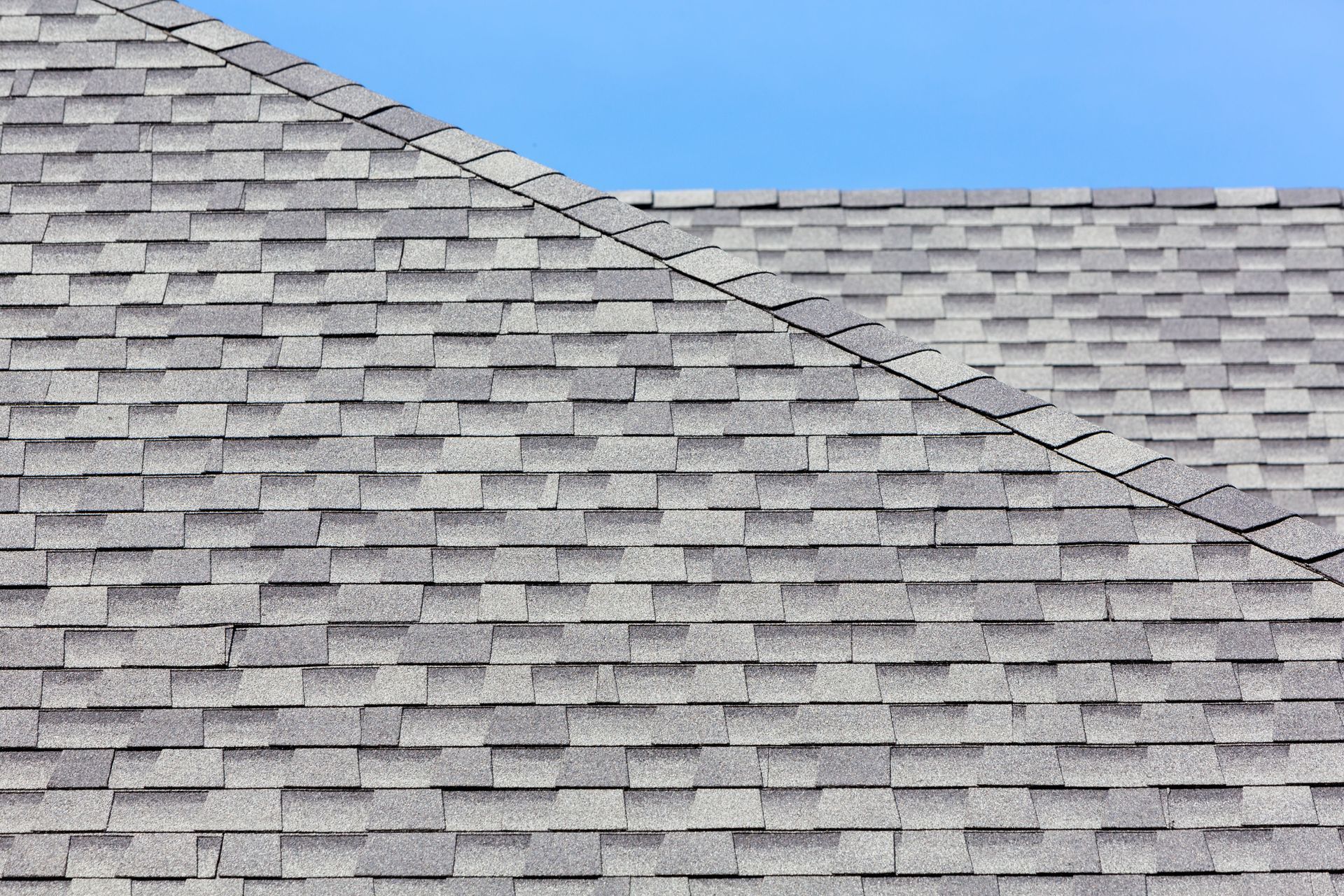
Comparing immediate mitigation expenses against the long-term equity value of a residence helps clarify the true cost of modernizing an exterior barrier. A simple patch job requires minimal immediate spending but provides no guarantees against subsequent failure in adjacent, aging areas of the surface. Conversely, committing to a complete structural replacement demands a larger initial financial allocation but instantly restores absolute protection and eliminates recurring maintenance fees. Modern materials also improve energy efficiency by reducing cooling demands during humid summer months, lowering ongoing monthly utility expenses considerably. Homeowners should consider how long they plan to occupy the residence when assessing these financial trade-offs and evaluating their long-term property goals. Investing in total system renewal enhances property value, shortens future resale timelines, and offers profound peace of mind that a temporary fix cannot replicate. Buyers appreciate knowing that a home possesses a brand-new overhead defense barrier, making the property far more attractive in competitive local real estate markets.
Selecting Qualified Professionals
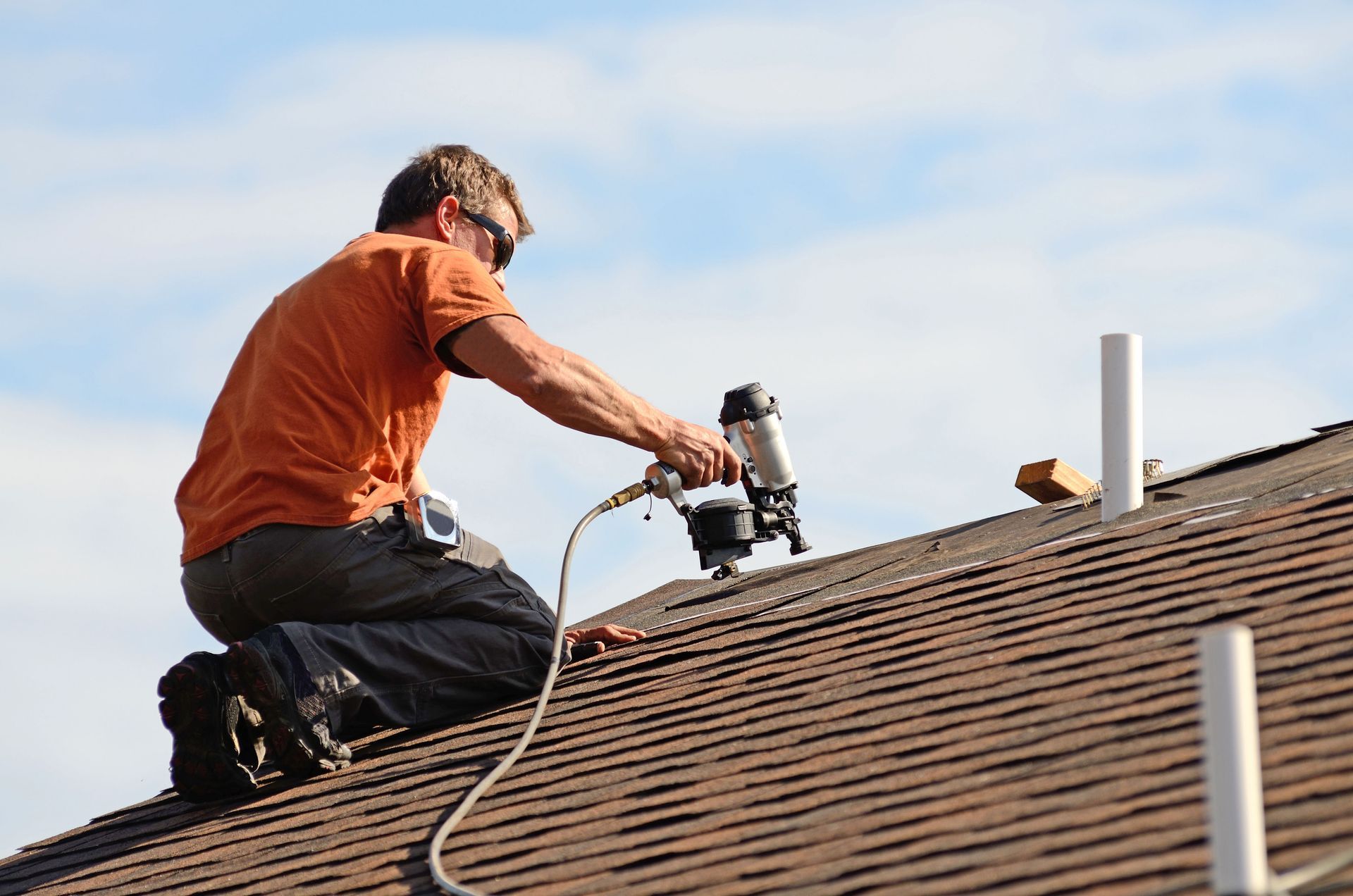
Securing the durability of any external structural upgrade depends entirely on the technical skill of the personnel performing the labor. Experienced roofing contractors possess the specialized instrumentation and training required to diagnose deep-seated structural issues that standard property examinations overlook entirely. Certified teams ensure that every protective element, from ice barriers to ridge ventilation channels, aligns perfectly with modern regional building regulations and safety standards. Homeowners should thoroughly vet candidate organizations, ensuring they possess comprehensive liability credentials, positive consumer histories, and robust manufacturer alignments. Entrusting a residential asset to reputable roofing contractors guarantees that the chosen solution is executed flawlessly using industry-approved techniques. This professional alignment safeguards material warranties, protecting property owners against future structural anomalies while ensuring maximum aesthetic alignment with the neighborhood. Selecting an organization with an established local presence ensures reliable post-installation support and prompt communication whenever weather anomalies create immediate service demands.
Ultimately, balancing structural remediation against total renewal demands a holistic view of property health, material age, and financial practicality. Recognizing surface issues, assessing internal moisture, and reviewing historical maintenance allow individuals to make sound, strategic property decisions. Seeking expert counsel removes the guesswork from property management, ensuring the residential shield remains resilient against any environmental challenge. At Ember Roofing, we guide property owners through every stage of the evaluation process, utilizing our collective expertise to deliver enduring protection and superior craftsmanship. Our dedicated roofing contractors stand ready to fortify your residential sanctuary, ensuring your peace of mind through every passing season. We remain fully committed to absolute transparency, helping you safeguard your family and investment with confidence.