April 15, 2026
Your home is likely your most significant investment, and the roof is the primary shield protecting that investment from the elements. However, many homeowners overlook the health of their roofing system until a major problem occurs. Recognizing the early warning signs of failure can save you from catastrophic interior damage and high emergency repair costs. By staying observant and knowing what to look for, you can make an informed decision about when it is time to transition from simple maintenance to a full replacement. This guide outlines the key indicators that suggest your current structure has reached the end of its functional lifespan.
Visible Shingle Damage and Granule Loss
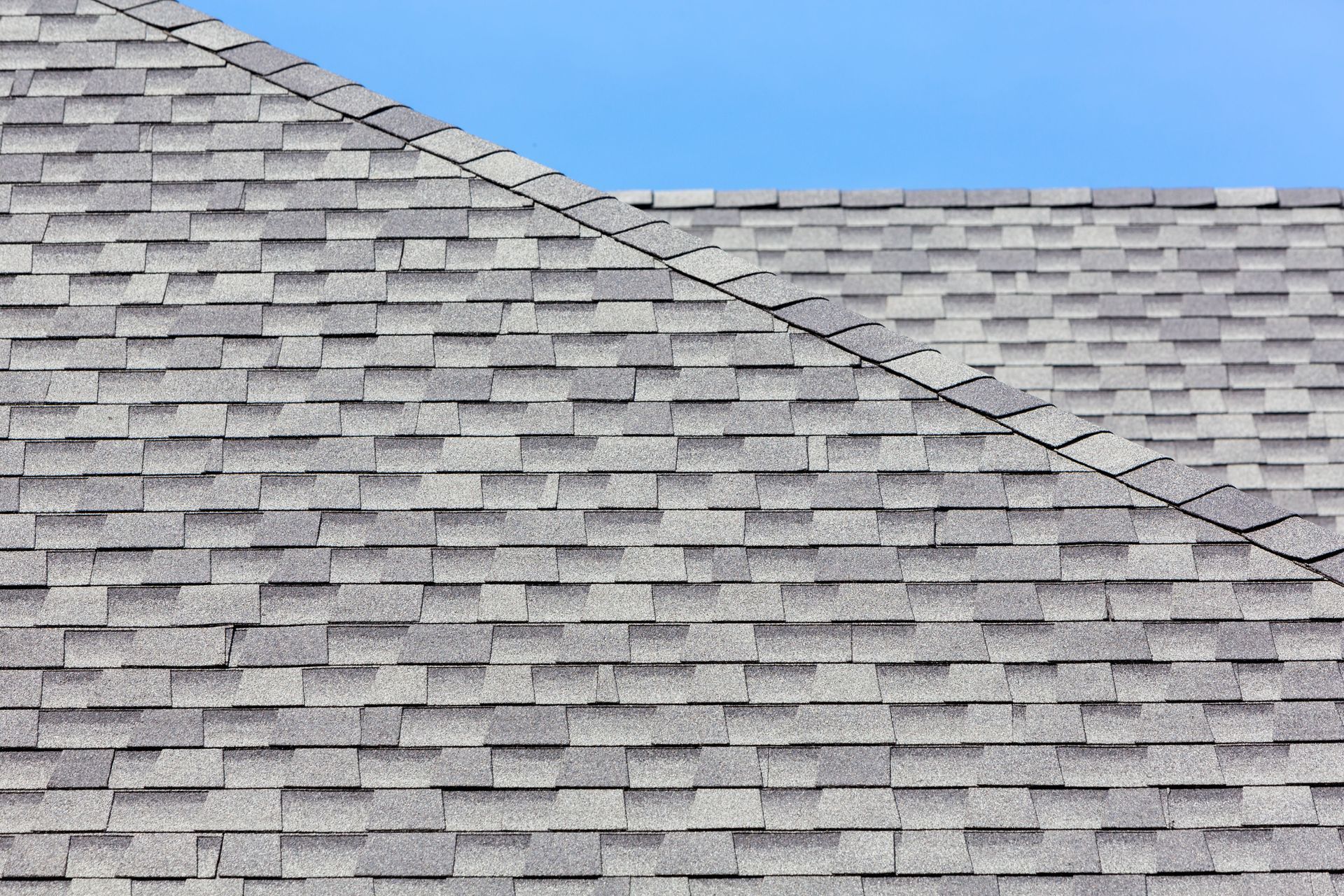
One of the most obvious signs that your roof is struggling is the physical condition of the shingles themselves. If you notice shingles that are cracked, curled, or cupping at the edges, the material is likely reaching the end of its chemical effectiveness. Over time, the sun and wind strip away the protective qualities of the asphalt. You might also find an abundance of dark granules in your gutters, which indicates that the weatherproofing layer is washing away. When the protection reaches this level of depletion, it is wise to consult with local roofers to evaluate the remaining thickness and integrity of your shingles.
Persistent Leaks and Interior Water Stains
Water intrusion is perhaps the most urgent signal that a replacement is necessary. According to RubyHome, 33% of homeowners replace their roofs due to leaking, which highlights just how common this issue is for aging structures. If you see yellow or brown water spots on your ceilings or running down your walls, the external barrier has been breached. While a single leak might be patchable, multiple leaks across different areas of the home suggest a systemic failure. At this stage, local roofers often recommend a full replacement to ensure that the underlying decking is not subjected to rot or mold growth.
Aging of Material
Every roofing material has a finite expiration date, regardless of how well it appears to be holding up from the ground. Most asphalt shingle systems are designed to last between twenty and twenty five years. If your neighbors are all starting to replace their roofs, it is a strong hint that your home, likely built around the same time with similar materials, is also due for an upgrade. Local roofers can help you determine the exact age of your system if you are unsure. Proactively replacing an old roof before it fails completely is a smart way to avoid the stress of a sudden collapse during a storm.
Roof Line Sags and Structural Issues
A sagging roof is a serious red flag that requires immediate professional attention. This usually indicates that there is a structural issue with the decking or the rafters, often caused by long term moisture exposure. If you stand back from your house and notice that the ridge line or the slopes have a dipped or wavy appearance, the support system is compromised. Because this involves the safety of the entire building, local roofers should be brought in to inspect the attic and the exterior. A sagging roof is rarely a surface level fix and typically necessitates a comprehensive replacement of both the shingles and the wood underneath.
Excessive Growth of Moss and Algae
While a little bit of green on your roof might look like a rustic aesthetic, it actually signals a moisture retention problem. Moss, in particular, acts like a sponge, holding water against the shingles and eventually causing them to rot. Algae can also eat away at the limestone filler used in many modern shingles. If the growth is widespread, it can lead to shingles lifting and water seeping into the house. Professional local roofers can assess whether the growth has caused permanent damage to the structural integrity or if the shingles have become too brittle to withstand a deep cleaning process.
Light Peeking Through the Attic
An easy way to check the health of your roof is to head into the attic on a bright, sunny day with the lights turned off. if you see pinpoints of daylight coming through the roof boards, you have holes that are allowing both air and water to enter your home. Often, these gaps are located near the chimney or the vents where the flashing has failed. Even if you do not see active dripping, those light gaps are an open invitation for pests and moisture. Experienced local roofers will tell you that if light can get in, so can the elements, and a new roof is the only way to ensure a total seal.
Energy Cost Increase and Poor Ventilation
Your roof plays a massive role in the thermal regulation of your living space. If you notice that your cooling and heating bills have spiked unexpectedly, your roof might be failing to vent heat properly or may have developed air leaks. An aging roof often loses its reflective properties, absorbing more heat into the attic and forcing your HVAC system to work overtime. When you discuss these efficiency issues with local roofers, they can explain how modern materials and improved ventilation systems can pay for themselves over time through reduced monthly utility costs and increased indoor comfort.
Flashing Around Penetrations
Flashing is the material, usually metal, that seals the gaps around chimneys, skylights, and vents. If this material is rusted, cracked, or pulling away from the surface, your roof is highly vulnerable to leaks. Old systems often used roof cement or tar for flashing, which dries out and breaks down much faster than the shingles themselves. Once the flashing fails, water can run directly into the framing of your home. Rather than constantly patching these transition points, local roofers often suggest a new roof to ensure that all flashing is updated to modern, durable standards that prevent future leaks.
Storm Damage and Missing Shingles
High winds and heavy storms can wreak havoc on an older roof that has lost its adhesive strength. If you find shingles in your yard after a windy day, the tabs have likely become brittle and can no longer stay locked in place. Missing shingles leave the underlayment exposed to UV rays and rain, which will cause it to deteriorate rapidly. When a significant portion of the roof has been stripped of its shingles, the cost of repair can often approach the cost of a full replacement. Consulting with local roofers after a major weather event is essential to document the damage and plan for a more resilient solution.
Spongy Feel During Maintenance Checks
A healthy roof should feel firm and solid underfoot. If a professional walking on your roof notices a spongy or bouncy feel, it is a sign that the underlying plywood decking has been softened by moisture. This rot makes the entire structure unsafe and reduces its ability to hold nails effectively. You may not be able to see this rot from the ground, but it is a common discovery during routine inspections. Reliable local roofers will use these tactile signs to warn you that the roof is no longer providing a stable base for your home, making a full tear off and replacement necessary.
Taking the step to replace your roof is a significant undertaking, but it provides unparalleled peace of mind. By identifying the signs of age, moisture damage, and structural fatigue early, you can avoid the high costs associated with interior restoration and mold remediation. A new roof does more than just stop leaks; it improves your home’s curb appeal, increases its market value, and enhances energy efficiency. When you observe these ten signs, it is time to trust the expertise of local roofers to guide you through the process of selecting the right materials to protect your family for the next several decades.
For a reliable inspection and high quality installation, reach out to the team at Ember Roofing to secure your home today.